Cinestill 400d, golden hour, and you
“One last ride”, I said, not knowing how wrong I would be
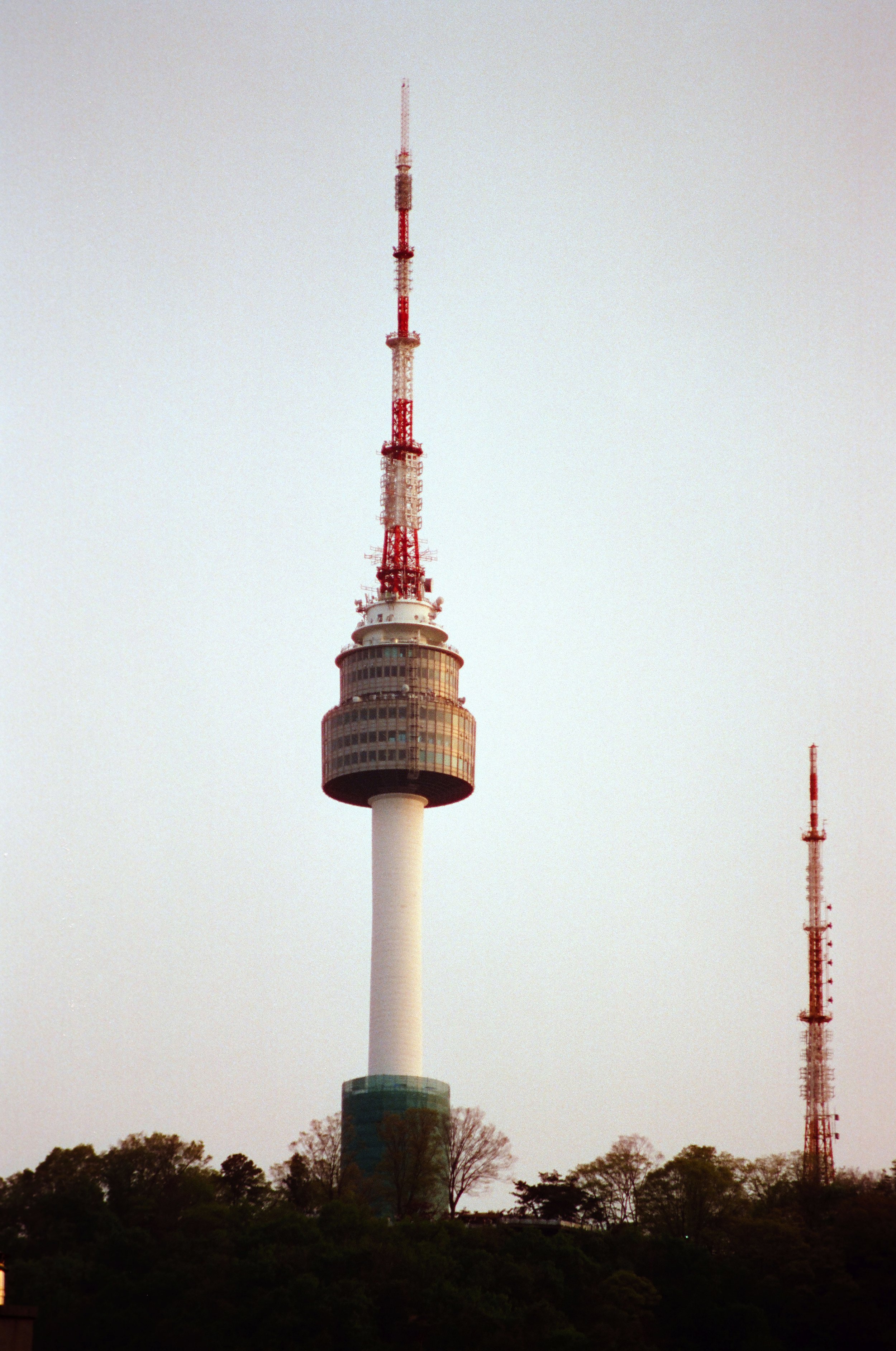
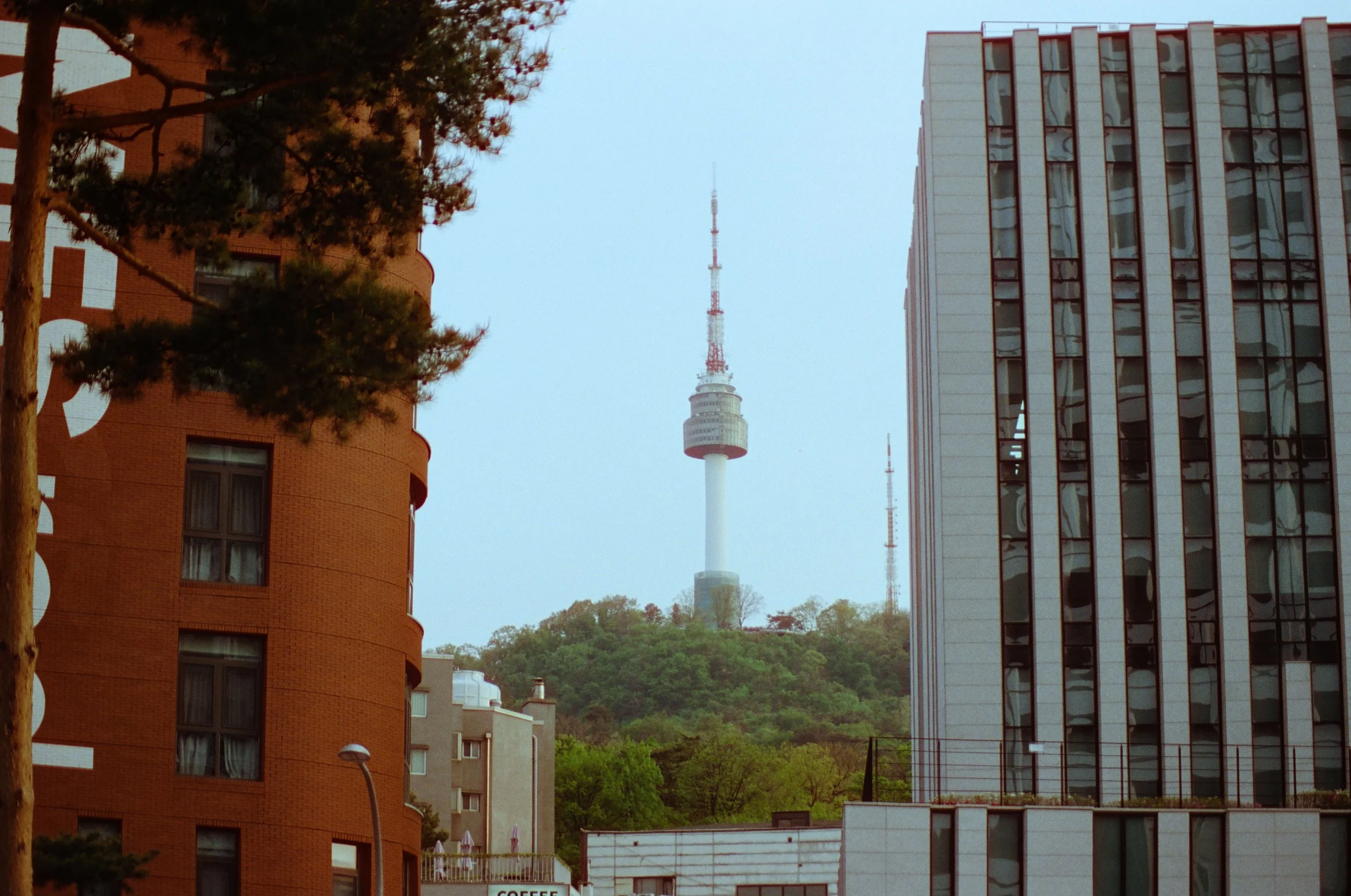
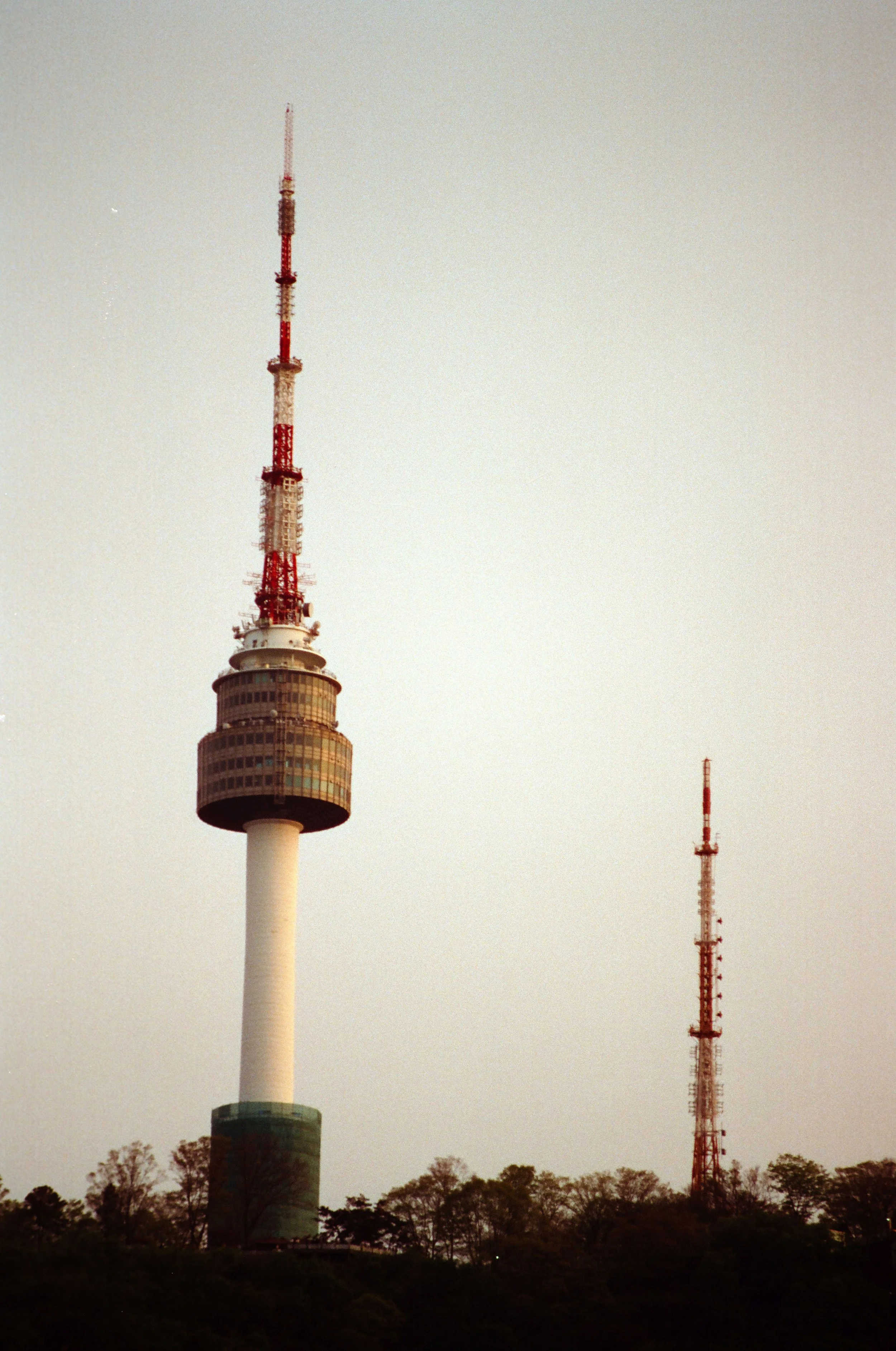
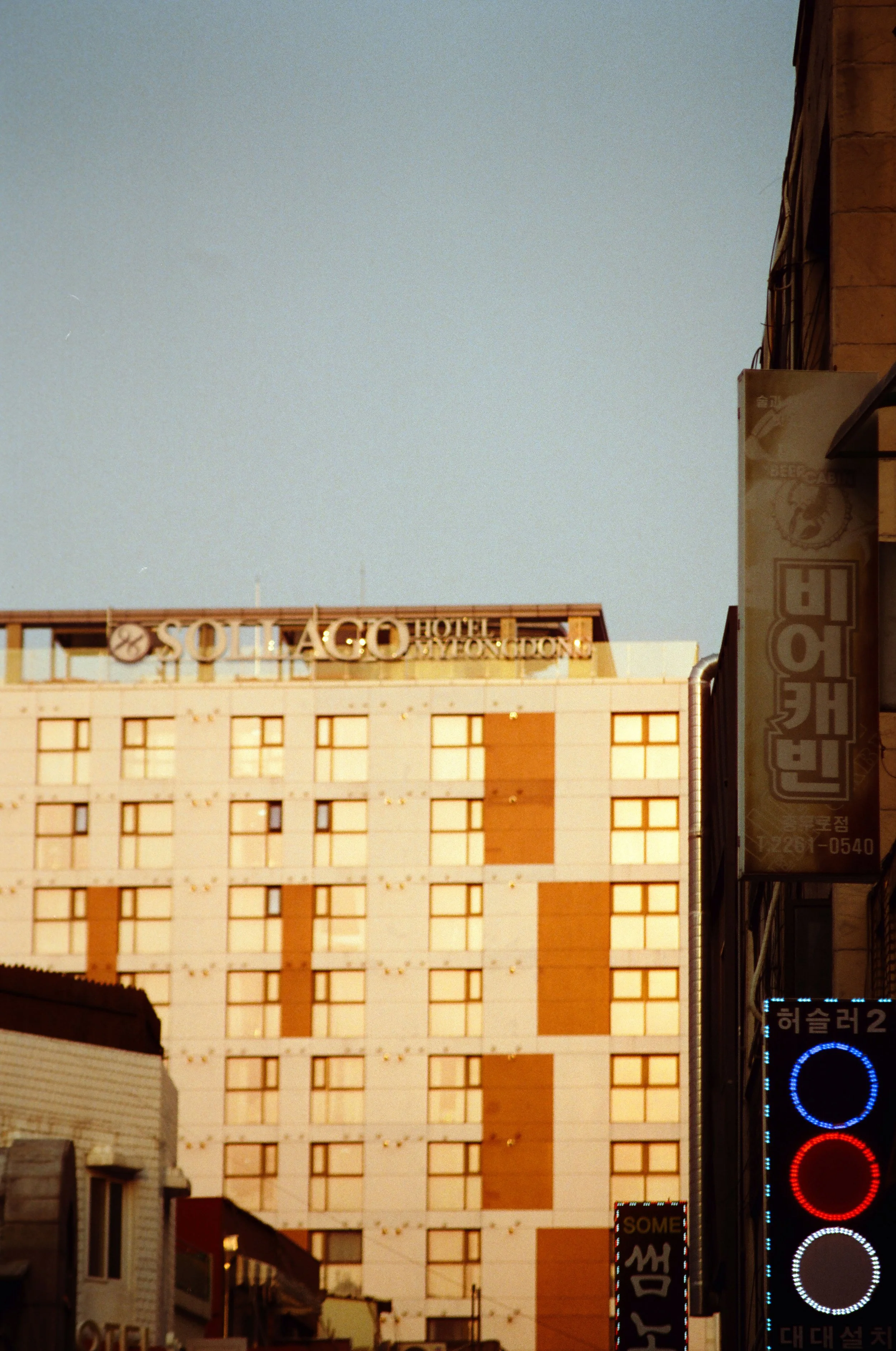
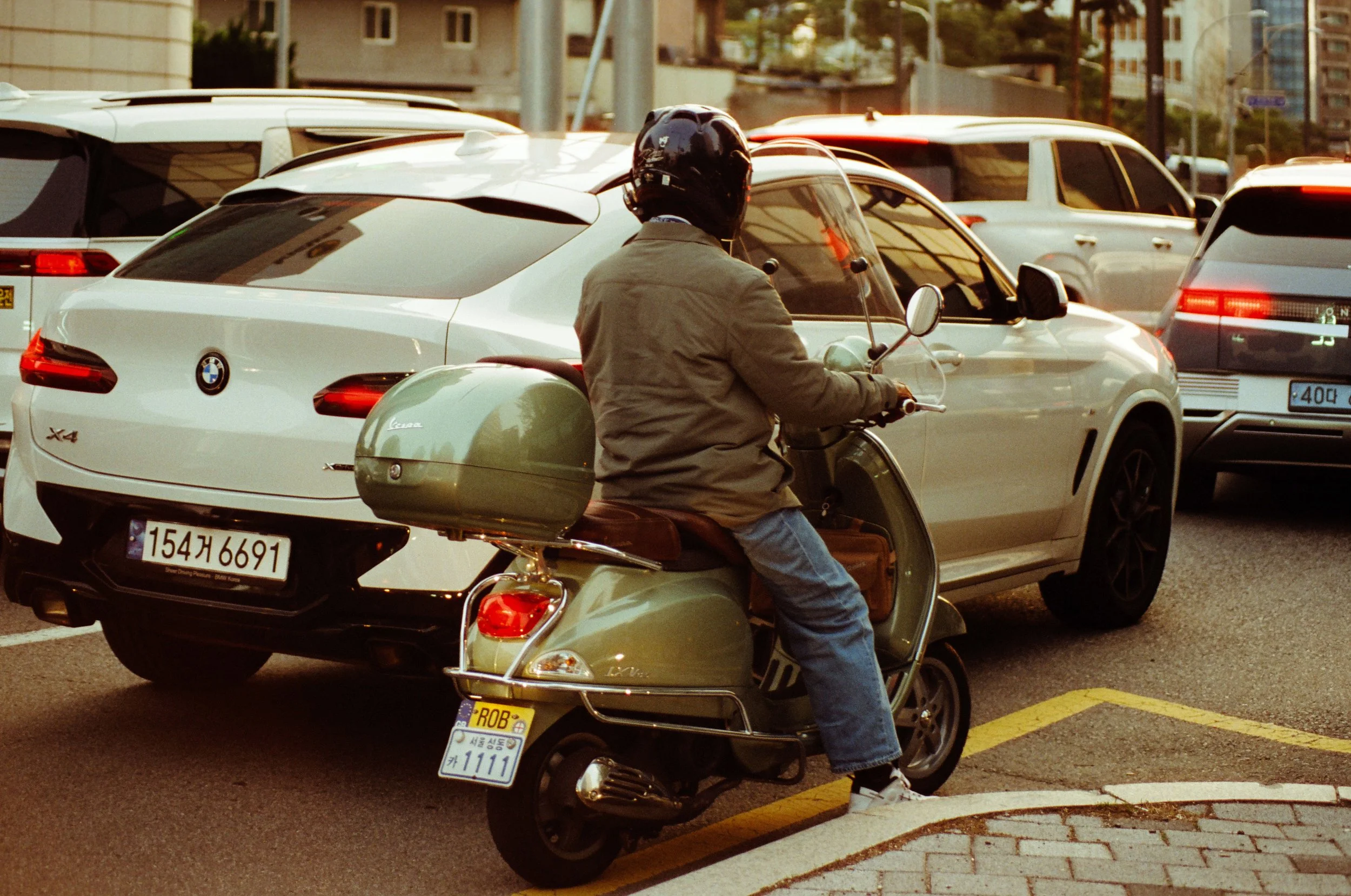
Cinestill 400d, shot on Canon A-1 in Seoul, South Korea; scanned/developed at Gorae Photo Lab in Seoul, South Korea
Okay, I’m ordering the 5d. I want to try and make money doing photography, and you can’t do that doing only film.
My Canon 5D Mark IV and 24-70 2.8* were on their way, so my ‘family’, such as it was, was going to get bigger. And, as one does, I wanted to take my A-1 out for a spin before it was about to be outshone (such as it was) by someone else. So on a balmy Friday night, I took a few rolls out with my camera and went into the city.
Cinestill 400d, shot on Canon A-1 in Seoul, South Korea; scanned/developed at Gorae Photo Lab in Seoul, South Korea
I need to go somewhere with people. I need to be somewhere that Cinestill can really shine.
Street photography does tend to work better where there are people to observe. Seoul was (and is) replete with night markets. A combination made for a guy (me) who wanted to feel like this ‘one last night’ was something special and unique.
Cinestill 400d, shot on Canon A-1 in Seoul, South Korea; scanned/developed at Gorae Photo Lab in Seoul, South Korea
What’s funny about this night (and many of the rolls I’ve written about from this time of my life) is how little I remember of the actual night (beyond what is seen in the roll). I remember it was balmy, I remember wandering through Yongsan, and I remember eating McDonalds for dinner.*
I think, meanwhile, that I spent a good chunk of the evening on the phone with my sister. I may have shot more film, and also walked through a festival?
Cinestill 400d, shot on Canon A-1 in Seoul, South Korea; scanned/developed at Gorae Photo Lab in Seoul, South Korea
I honestly don’t want to spend this whole blog talking about a roll of Cinestill 400.
I mean, I do, but not about the locale. What I wanted to also write about is the inherent difficulty in storing digitized scans of 35mm color film (especially as it pertains to Cinestill 400d).
Cinestill 400d, shot on Canon A-1 in Seoul, South Korea; scanned/developed at Gorae Photo Lab in Seoul, South Korea
When you capture images on film, you run the inherent risk of losing the ‘truth’ of the image the more steps between the film being exposed to light and seeing the image itself.
When you develop the negative, it’s as close to 1-1 as it’s going to be.
When you enlarge/print the negative in the darkroom, it’s still fairly close to a 1-1 comparison to the initially composed image in your brain.
When you digitize the scan (as I did here), you lose a little more of the fidelity of the image.
And then when you digitally print the scan of the image, you get as far as you can between the two points while also keeping the integrity of the image in tact.
It is a fact of life that 35mm negatives are going to be the highest-resolution form of the image, but to go into shooting film with the presumption that you are going to keep everything you ever shot is unwise and impractical.
Cinestill 400d, shot on Canon A-1 in Seoul, South Korea; scanned/developed at Gorae Photo Lab in Seoul, South Korea
So then the question boils down to: how am I going to display these photos?
Enlarging/printing color negatives is an exercise that is orders of magnitude more time-consuming than printing in black and white*. What’s more, printing from a negative of a stock like Cinestill 400 is even more time-consuming, making it functionally impractical.
Which of course means you need to scan the images. Most ‘conventional’ scanners get an image resolution that is fine. Generally serviceable for what you need (to show others what you shot and maybe post online). But sometimes you need a scan job that can get as close to the mark as possible.
Cinestill 400d, shot on Canon A-1 in Seoul, South Korea; scanned/developed at Gorae Photo Lab in Seoul, South Korea
Which is where finding a lab that do TIFF scanning comes in handy. Because, frankly, sometimes there are rolls that are worth scanning as much data out of as possible. And Gorae film lab (whose virtues I have extolled here plenty) luckily had the ability to scan TIFF files as well as medium-resolution jpegs.
And I don’t remember if I had decided before going to Gorae with this roll (and others) if I had already known that I wanted to TIFF scan it, but once I saw the negatives I knew I didn’t have another choice.
Cinestill 400d, shot on Canon A-1 in Seoul, South Korea; scanned/developed at Gorae Photo Lab in Seoul, South Korea
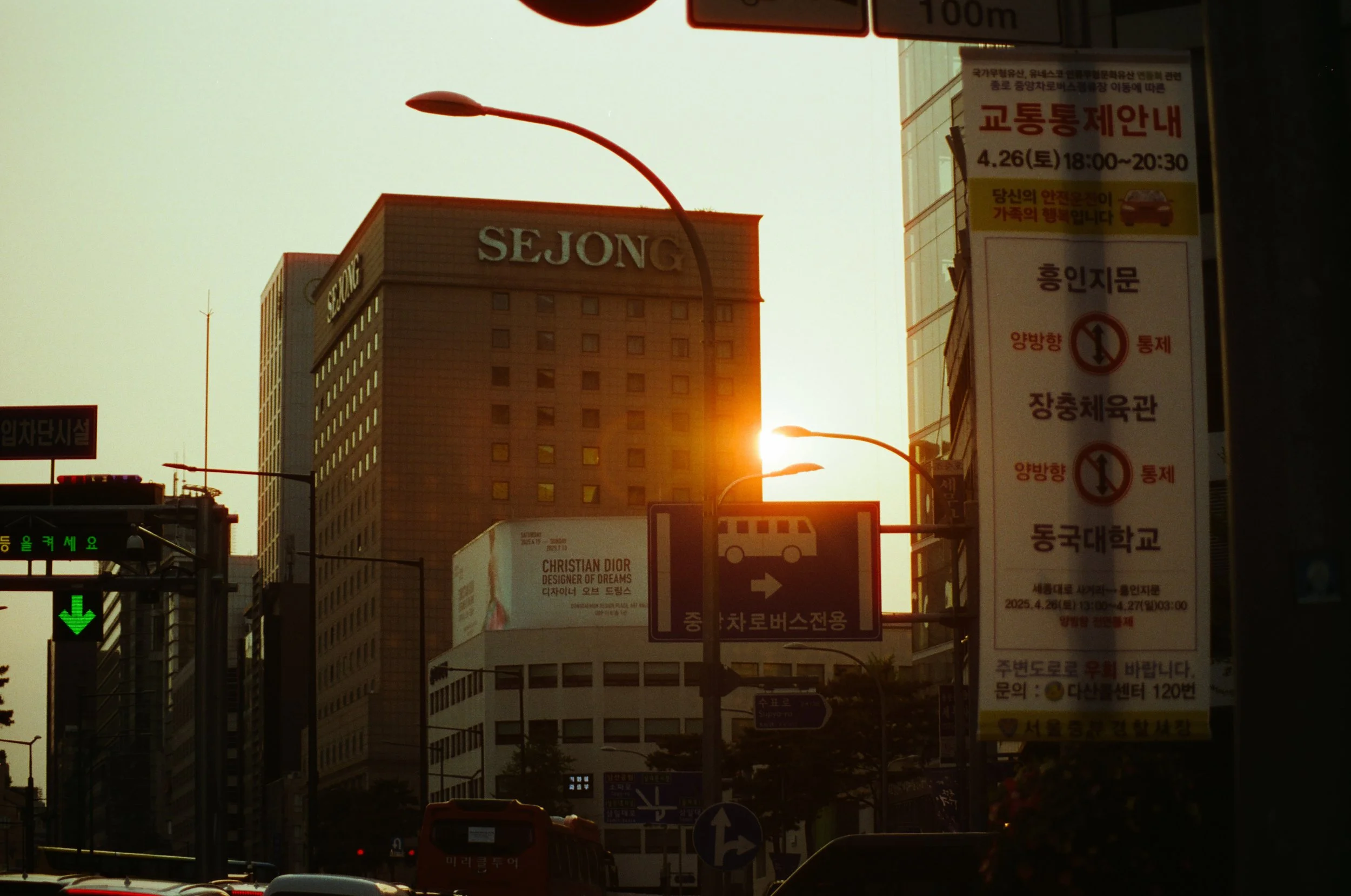
I mean, the glow of that halation alone.
Cinestill 400d, shot on Canon A-1 in Seoul, South Korea; scanned/developed at Gorae Photo Lab in Seoul, South Korea
My Canon 5D was on its way, and while I waited, I wandered. Yongsan was (and is, I’m hoping) a great place to feel like a loner while surrounded by hundreds of people.
Cinestill 400d, shot on Canon A-1 in Seoul, South Korea; scanned/developed at Gorae Photo Lab in Seoul, South Korea
I am going to share more rolls of film on this blog containing images I TIFF scanned; I love that this is the first one. Cinestill makes everything you do seem like a movie (cough cinema film cough) and when things begin that way everything that follows is going to be appropriately dramatic. My last few rolls in Korea have special shots and stories to them. These are just vibe-y.
Wrapping-up thoughts:
footnote/asterisk 1: as I’m writing this, my 24-70mm 2.8 lens is sitting at Glazer’s Camera repair shop. It somehow cost less than what I paid for it to get it repaired, while still costing $500.
footnote/asterisk 2: I ate a lot of McDonalds in South Korea. I’m not entirely sure what it is about me in foreign countries, but I don’t defer to adventurous eating when I’m by myself. And what’s more comforting than the familiar(ish)?
Go see movies!
If you’re in the PNW, Union Arts Center is doing Macbeth for their Shakespeare in the Park. I cannot wait to see it.
Go Team USA!
That’s all for this week! Starting next week I’ll write more about specific days/nights that I do remember well, I promise.